Green Initiatives: How E-Waste Recycling Services Are Protecting Our Planet
E-waste represents a considerable hazard to the environment, as abandoned electronic devices commonly carry harmful materials. These hazardous substances can contaminate soil and water, resulting in widespread environmental harm. Electronic waste recycling programs offer an effective remedy. They successfully retrieve useful resources while simultaneously minimizing environmental pollution. Gaining insight into how these programs function and affect local communities is critical. The journey towards effective e-waste management raises critical questions about individual responsibility and collective action. What measures can be pursued from this Read the post point onward?
Why E-Waste Is Bad for the Planet
Even though technology enriches modern life, e-waste creates considerable environmental hazards. Abandoned electronic gadgets, frequently composed of toxic substances including lead, mercury, and cadmium, may release harmful substances into the surrounding soil and water supply, posing risks to ecosystems and human health. The accelerating rate of technological innovation leads to greater consumer replacement of electronic devices, exacerbating the accumulation of e-waste.
Landfills, already burdened with waste, struggle to accommodate the growing volumes of discarded gadgets. Incineration, another disposal method, releases harmful pollutants into the atmosphere, contributing to air quality degradation. In addition, improper recycling practices can lead to the exportation of e-waste to developing countries, where laborers may dismantle devices without adequate safety measures, exposing themselves to dangerous substances. This cycle of neglect and improper handling underscores the urgent need for sustainable recycling solutions that can mitigate the adverse effects of e-waste on the planet.
What Is E-Waste and Why Is It Important?
Electronic waste, commonly known as e-waste, encompasses obsolete electronic products including televisions, computers, and smartphones that have exceeded their operational lifespan. This growing category of waste is significant because of its swift buildup, fueled by innovation in technology and shifting consumer habits. With an increasing number of devices reaching obsolescence, the toll on the environment grows more severe, with harmful substances like lead, mercury, and cadmium posing risks to ecosystems and human health.
The importance of addressing e-waste lies not only in mitigating these hazards but also in recognizing the valuable materials it contains. Critical metals and rare earth components can be reclaimed and recycled, decreasing the reliance on mining and protecting natural resources. Through a deeper awareness of e-waste and its consequences, both individuals and organizations can make well-informed choices regarding disposal and recycling, thereby supporting a more sustainable future. Responsible management of e-waste plays a key role in supporting a circular economy and championing environmental stewardship.
How E-Waste Recycling Works
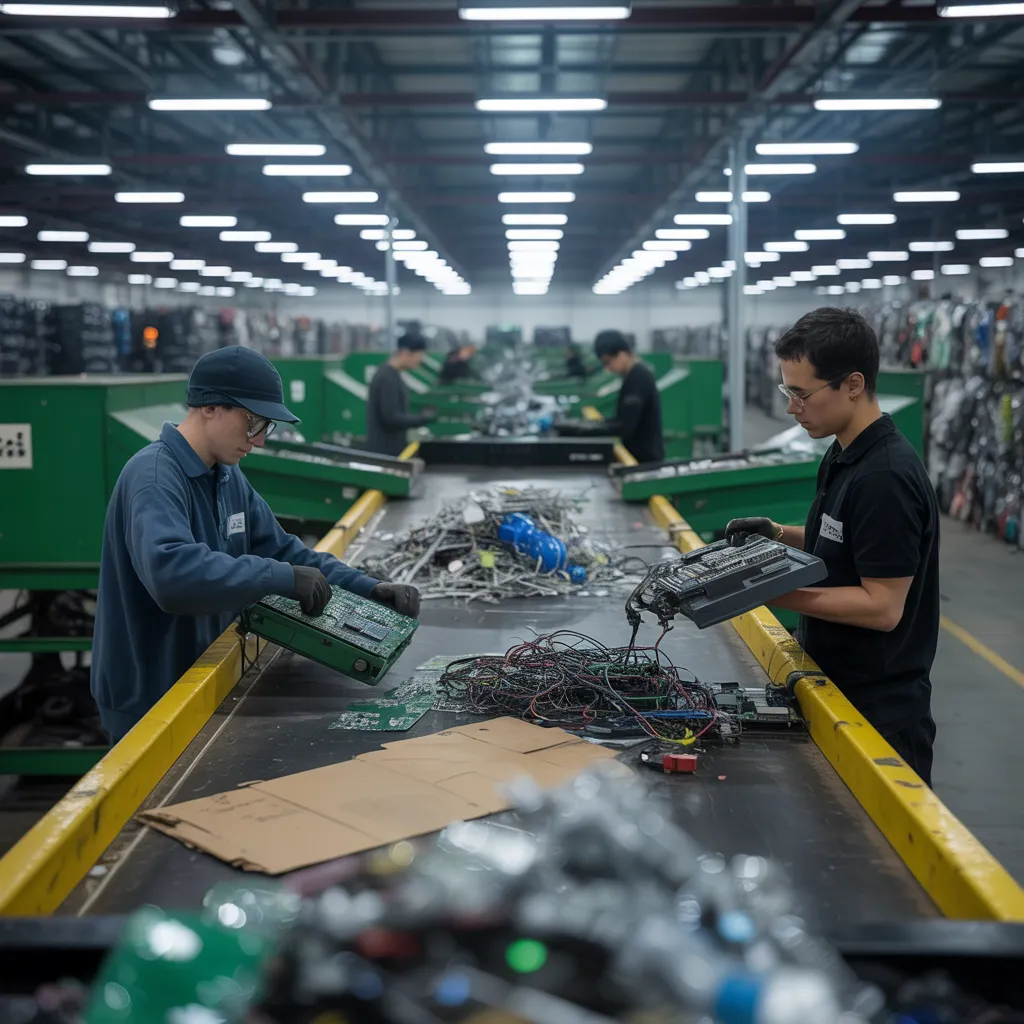
E-waste recycling entails a structured approach intended to extract beneficial components while limiting ecological damage. Initially, e-waste is collected and transported to purpose-built recycling plants. Upon arrival, the electronics are carefully categorized to separate hazardous components from recyclable materials.
Subsequently, specialists deconstruct the devices, extracting plastics, metals, and glass. This process is vital, as it enables the retrieval of rare metals like gold, silver, and copper, which may be utilized in modern electronics.
Afterward, the isolated materials are processed using advanced techniques, such as mechanical shredding and chemical processing, to refine them for recycling.
Finally, the leftover dangerous materials are managed properly, complying with environmental regulations. This comprehensive process not only saves important resources but also mitigates the risks linked to unsafe e-waste handling, securing a more eco-conscious future for the consumption of electronics.
Benefits of E-Waste Recycling for You and Your Community
Though many people are unaware, the advantages of e-waste recycling extend beyond personal convenience to positively impact entire communities. By properly recycling electronic waste, individuals help foster a healthier environment, decreasing toxic components that can contaminate soil and water. This forward-thinking practice actively safeguards local ecosystems and supports public health.
Additionally, e-waste recycling fosters workforce growth within communities. Regional recycling centers frequently need staff for diverse activities, spanning collection through processing, thus generating valuable job opportunities within the community. This not only strengthens the regional economy but also inspires community dedication to sustainable efforts.
In addition, knowledge about e-waste recycling has the potential to generate awareness campaigns, equipping residents to embrace sustainable practices. By enrolling in e-waste recycling programs, individuals nurture a culture of sustainability, prompting others to do the same. In summary, the combined impact of these actions can result in a more robust and eco-friendly community.
Tips for Choosing an E-Waste Recycling Service
Choosing the right e-waste disposal service is vital for making sure that electronic waste is processed in a responsible and sustainable manner. First, individuals should verify the service's certifications, such as e-Stewards or R2, which signify conformance to professional guidelines for secure waste disposal procedures. It's also important to assess the organization's credibility by reading customer reviews and obtaining advice from dependable sources.
Furthermore, transparency in the recycling process is vital. A reliable company should offer detailed insights about the manner in which e-waste is managed and what happens to the materials. Additionally, considering the scope of services provided can prove valuable; various firms may supply retrieval services or extend benefits for recycling.
In addition, understanding regional rules concerning e-waste disposal can help inform the decision-making process. When these considerations are given priority, residents can actively participate in efficient electronic waste handling while supporting green and responsible behaviors.
How You Can Get Involved in E-Waste Recycling?
Participating in e-waste recycling may begin at the local level, where recycling centers often provide essential services for responsible disposal. Furthermore, joining community awareness campaigns can enhance efforts to inform others regarding the importance of responsible e-waste management. These initiatives not only promote sustainability but also cultivate a collective sense of accountability for the environment.
Regional Recycling Centers
Many community recycling facilities serve a vital function in e-waste recycling, offering communities convenient opportunities to manage electronic waste appropriately. These stations receive a range of digital devices, including old computers, smartphones, and televisions, guaranteeing that dangerous substances are processed safely. Most stations have knowledgeable personnel who are able to assist individuals with correct disposal techniques, underscoring the benefits of recycling compared to landfilling. Moreover, many centers offer drop-off events or designated collection days, making participation convenient for residents. By engaging with these local facilities, individuals contribute to a circular economy, reducing environmental impact and promoting sustainable practices. Connecting with these stations encourages communities to fight e-waste pollution decisively.
Community Education Campaigns
Nearby organizations, schools, and enterprises can partner to arrange initiatives that encourage e-waste collection drives. Dedicated participants can take a leading part in raising awareness, sharing informational resources, and connecting with local residents. As a result of these combined actions, community members grow more knowledgeable and inspired to dispose of their electronics responsibly, ultimately contributing to a more sustainable future.
Answers to Your Most Common Questions
What Kinds of Electronics Can Be Recycled?
Numerous electronics may be recycled, including smartphones, computers, laptops, televisions, printers, and gaming consoles. In addition, ancillary devices such as keyboards, mice, and batteries are well-suited for recycling, contributing to eco-friendly conservation initiatives.
Do Any Costs Come With E-Waste Recycling?
Yes, e-waste disposal can include charges, depending on the provider. Some service centers impose charges for gathering or treatment, while other facilities make services available at no charge, typically funded by the sale of reclaimed components.
How Do Businesses Gain From E-Waste Recycling?
Organizations can gain from e-waste recycling by minimizing disposal costs, improving their green reputation, adhering to regulatory requirements, recovering valuable materials, and potentially generating revenue through resale, thereby fostering a more environmentally responsible business approach.
What Becomes of Data on Recycled Devices?
Details from recycled electronics is often irretrievably wiped or obliterated throughout the recycling process. This guarantees confidential data is kept safe, blocking unwanted intrusion while enabling components to be repurposed carefully and ethically within new applications.
Can I Recycle Broken Electronics?
Indeed, non-functioning electronics are able to be recycled. A wide range of collection points process non-functioning devices, providing safe disposal and recovery of recoverable materials. This helps minimize harm to the environment while supporting eco-friendly recycling methods to address electronic waste properly.